

Everything You Need to Know About Jewelry Cleaning
Why Jewelry Cleaning Is Essential for Every Piece You Own
Jewelry cleaning is simpler than most people think — and doing it regularly keeps your pieces sparkling, safe, and long-lasting.
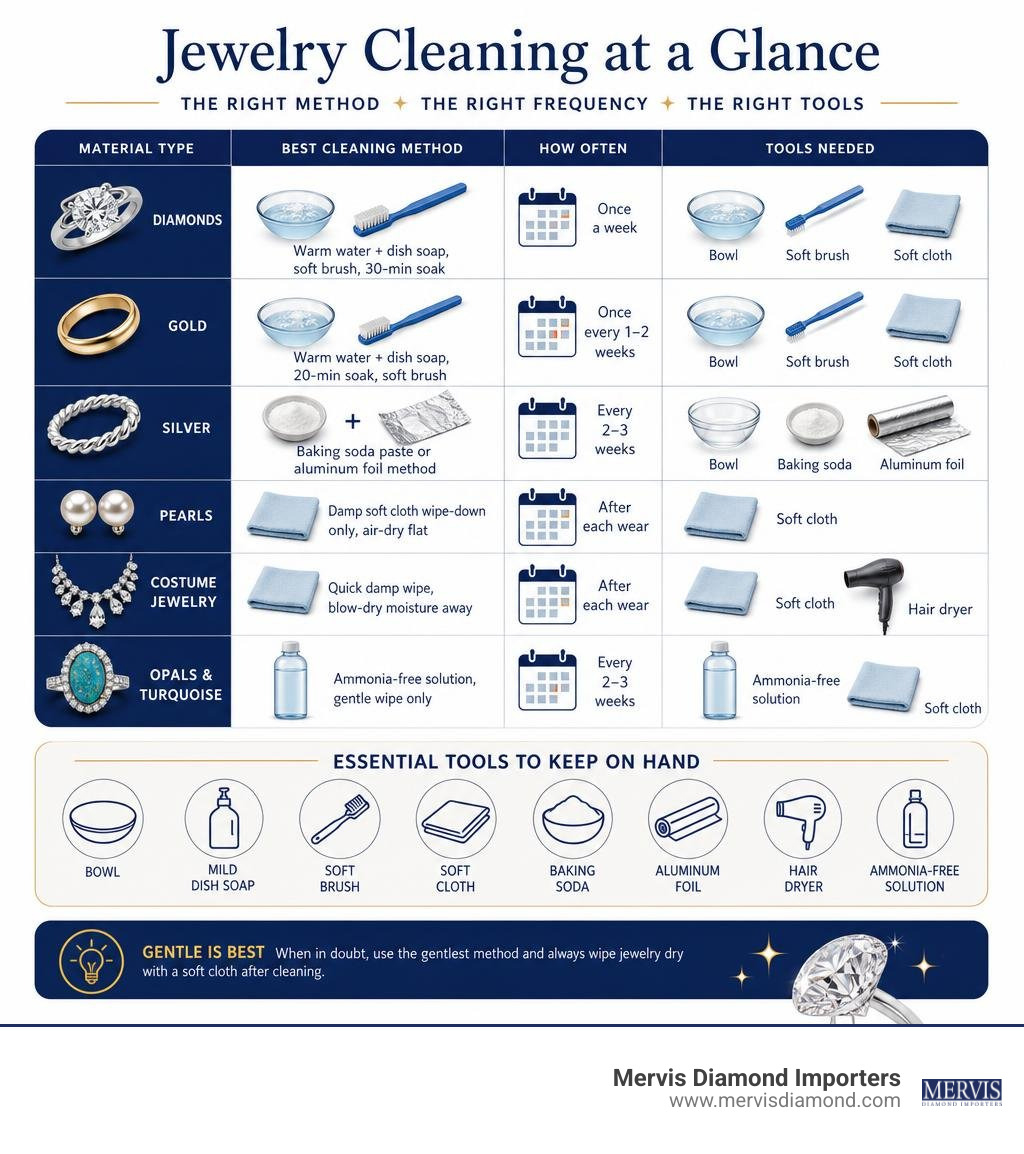
Here's a quick overview of the safest at-home cleaning methods by jewelry type:
| Jewelry Type | Best Cleaning Method | Avoid |
|---|---|---|
| Diamonds | Warm water + dish soap, soft brush, 30-min soak | Bleach, ammonia |
| Gold | Warm water + dish soap, 20-min soak, soft brush | Paper towels, abrasives |
| Silver | Baking soda paste or aluminum foil method | Vinegar, harsh chemicals |
| Pearls | Damp soft cloth wipe-down only, air-dry flat | Soaking, ammonia, perfume |
| Costume jewelry | Quick damp wipe, blow-dry moisture away | Soaking, vinegar |
| Opals & turquoise | Ammonia-free solution, gentle wipe only | Ultrasonic cleaners, harsh soaps |
Think about everything your rings and earrings go through in a single day. Lotion. Soap. Cooking. Sweat. Over time, that buildup dulls even the most brilliant diamond. Dirty jewelry can also cause skin irritation — and in some cases, dirt on a diamond can actually affect how its color and clarity are perceived.
The good news? Most jewelry can be safely cleaned at home in just a few minutes, using items you already have in your kitchen.
I'm Morris Mervis, and after decades of helping people find and care for their most treasured pieces, I want to walk you through everything you need to know — from daily habits to the moments when it's time to call in a professional.
The Ultimate Guide to Safe At-Home Jewelry Cleaning
Keeping your jewelry collection looking like it just came out of our showroom doesn’t require a degree in chemistry. In fact, some of the most effective tools for jewelry cleaning are sitting right in your kitchen cabinet or bathroom vanity.
Before you begin mixing solutions, however, you must perform a pre-cleaning inspection. We always advise our clients to inspect their jewelry under a magnifying glass or a jeweler's loupe. Look closely at the prongs, settings, and clasps. Are any of the stones wiggling? Do the prongs look thin or worn down? If you notice any structural issues, stop immediately. Cleaning a piece with loose stones can cause them to fall out during the process, turning a simple wash into a search-and-rescue mission.
Once you are sure your jewelry is structurally sound, gather your at-home cleaning toolkit. You will need:
- A small bowl filled with warm water (never hot or boiling for gemstones).
- Gentle dish soap, specifically blue Dawn dish soap. It is highly effective at cutting through grease, hand lotions, and body oils without leaving a dulling film.
- A baby toothbrush with extra-soft bristles. Avoid regular toothbrushes, as their bristles can be too stiff and may scratch precious metals like gold and platinum.
- A mesh strainer to place over your sink drain, or a second bowl of clean water for rinsing.
To learn more about the fundamentals of home care, check out our guide on How to Clean Your Diamond Jewelry at Home and explore these How to Clean Jewelry — DIY Jewelry Cleaning Tips for additional household inspiration.
When cleaning, remember the golden rule: work on only one piece of jewelry at a time. Soaking different metals together in the same bowl can cause unwanted chemical or physical reactions, and pieces can scratch each other if they bump together in the water.
Step-by-Step Diamond Jewelry Cleaning
Diamonds are the hardest natural substance on earth, but their settings are made of precious metals that require a delicate touch. Whether you are caring for an engagement ring, a pair of studs, or a family heirloom, a systematic approach ensures maximum sparkle without risking damage.
Here is our recommended workflow for cleaning your diamond jewelry safely:
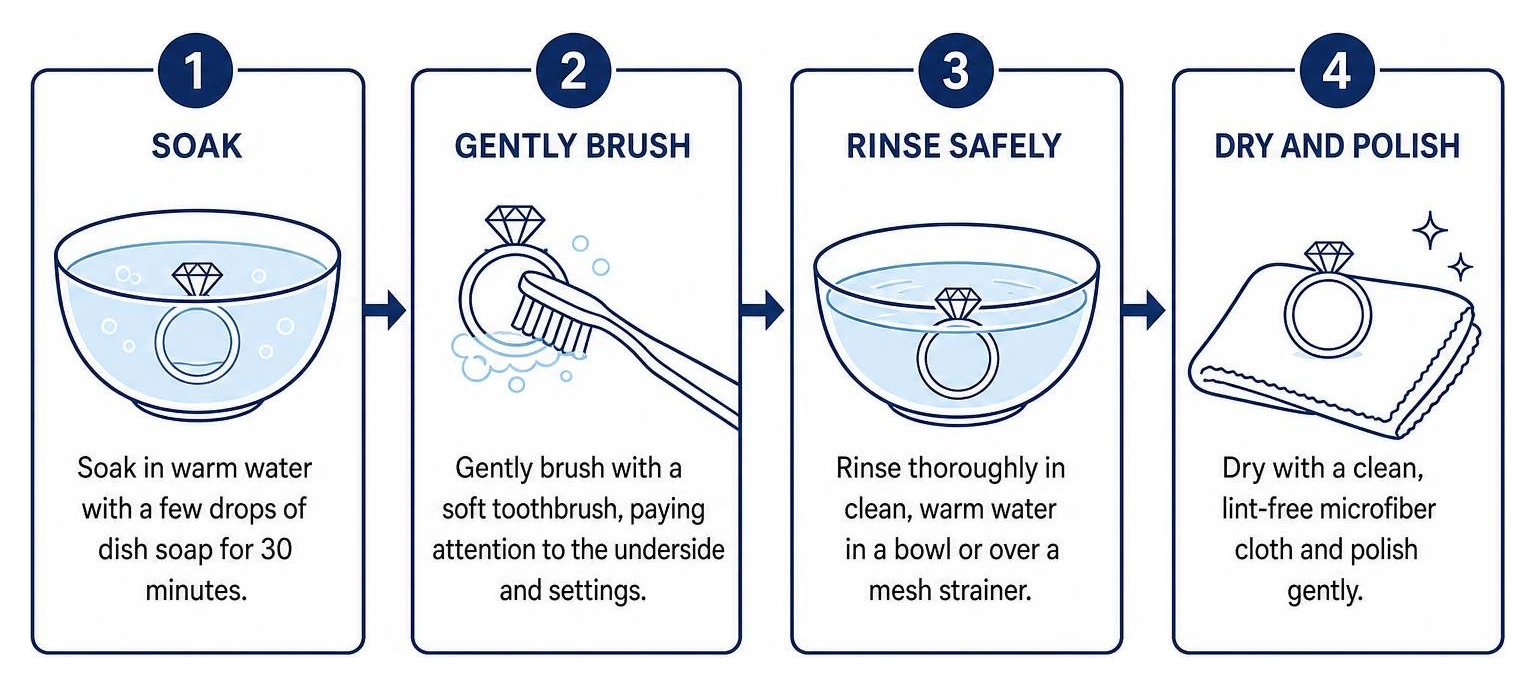
- Soak: Submerge your diamond piece in a mixture of warm water and a few drops of blue Dawn dish soap. Let it soak for about 30 minutes. This gives the soap enough time to break down the stubborn oils from lotions, cosmetics, and skin oils.
- Gently Brush: Take your baby toothbrush and gently brush the jewelry. Pay special attention to the underside of the diamond and the open-back settings where dirt and grime accumulate. To keep a firm grip and prevent the ring from slipping out of your hands, lock the ring between the thumb and index finger of your non-dominant hand while brushing.
- Rinse Safely: Rinse your jewelry thoroughly. Instead of holding it directly under an open faucet where a slippery ring could easily slide down the drain, rinse it in a separate bowl of clean, warm water or place a mesh strainer over the sink drain.
- Dry and Polish: Dry your jewelry with a clean, lint-free microfiber cloth. Avoid using paper towels, as their wood-pulp fibers can leave behind lint and even cause micro-scratches on highly polished metal surfaces.
This method works beautifully across different diamond styles. For specific tips on various pieces, read our dedicated guides on How to Clean Diamond Rings at Home and How to Clean Diamond Earrings at Home.
If you are wearing a platinum setting, keep in mind that platinum is highly durable but prone to scratching. You can find detailed steps on handling this metal in our guide on How to Clean Platinum Diamond Ring.
Material-Specific Care: Gold, Silver, and Delicate Gems
Different metals and gemstones react uniquely to cleaning agents. What makes silver shine could permanently ruin a gold-plated necklace or dissolve a pearl. Understanding these differences is the key to preserving your collection for generations.
To get your entire collection looking polished, bright, and brand-new, check out this comprehensive resource on How to Get Your Jewelry Looking Polished, Bright, and Brand-New.
Gold and Gold-Plated Jewelry
Gold is a soft metal. The purity of gold is measured in karats; 24-karat gold is pure gold and is extremely soft, while lower karats (like 14k or 18k) are alloyed with metals like copper, silver, or nickel to increase hardness. Because of these alloyed metals, lower-karat gold is actually more prone to tarnish and discoloration over time when exposed to harsh chemicals.
To clean gold jewelry:
- Soak the pieces in warm, soapy water for 20 minutes.
- Gently brush with your soft baby toothbrush.
- Rinse and dry with a microfiber cloth.
For gold-plated jewelry, exercise extreme caution. Gold plating consists of a very thin layer of gold over a base metal. Constant scrubbing, polishing, or exposure to water can strip this layer away entirely. Clean gold-plated pieces only when absolutely necessary, using a damp cloth without soaking.
Sterling Silver Jewelry
Unlike gold, sterling silver tarnishes due to oxidization — a chemical reaction with sulfur compounds in the air. To combat this, you can use a specialized silver polishing cloth or a clever DIY chemical reaction.
The baking soda and aluminum foil method is a safe, highly effective way to reverse tarnish:
- Line a heat-proof glass bowl with aluminum foil, shiny side up.
- Place your silver jewelry directly on the foil.
- Sprinkle 2 tablespoons of baking soda over the jewelry.
- Pour 2 cups of boiling water into the bowl. You will see it bubble and fizz — this reaction transfers the tarnish from the silver to the aluminum foil.
- Remove the jewelry, rinse it in clean water, and buff it dry with a soft cloth.
Note: Never use this method for silver jewelry that contains glued-in stones or delicate gemstones, as the boiling water can dissolve the glue or damage the gems.
Cleaning Delicate and Porous Gemstones
Pearls, opals, and turquoise are the "cashmere" of the jewelry world. They are highly sensitive organic or porous materials that require specialized, ultra-gentle care.
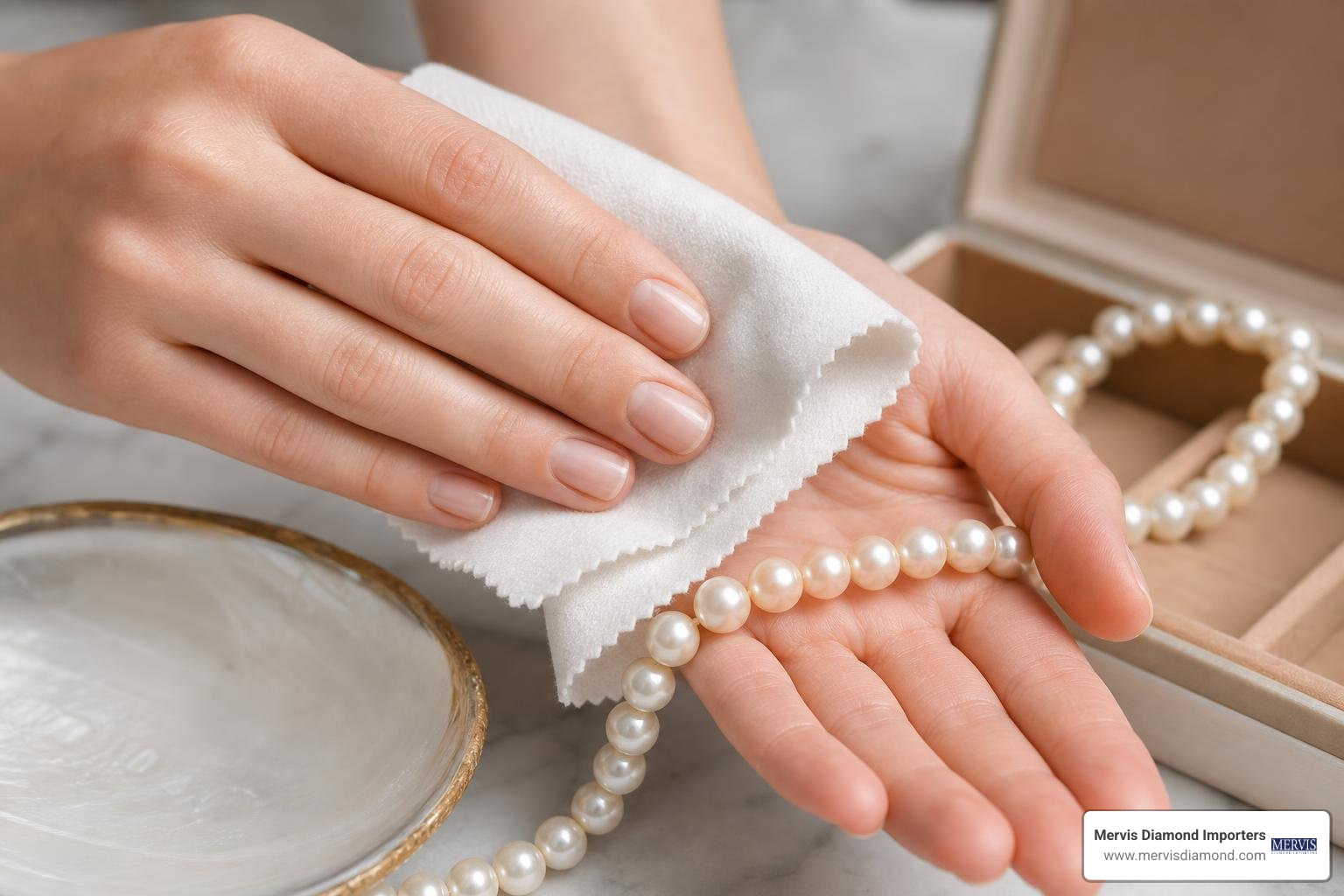
Pearls, for example, have a soft outer layer called nacre. They are easily damaged by acids, ammonia, and chemical cleaners. Furthermore, soaking a pearl necklace can saturate the silk thread it is strung on, causing the thread to stretch out, weaken, and eventually snap.
To safely clean pearls and other delicate gemstones:
- Use ammonia-free solutions: Always avoid harsh commercial jewelry cleaners unless they are specifically labeled as safe for delicate pieces.
- Wipe down, don't soak: Dip a soft microfiber cloth in a mixture of warm water and a tiny amount of mild soap (about 1/2 teaspoon of soap to 1 cup of water). Gently wipe each pearl or stone individually.
- Rinse with a damp cloth: Wipe away any soap residue with a second cloth dipped in clean, plain water.
- Air-dry flat: Always lay your pearl strands flat on a dry towel to air-dry. Hanging them while wet will stretch out the silk thread.
Risks of Improper Cleaning and Common Mistakes
While DIY cleaning is highly convenient, using the wrong household ingredients can cause permanent, irreversible damage to your most precious pieces.
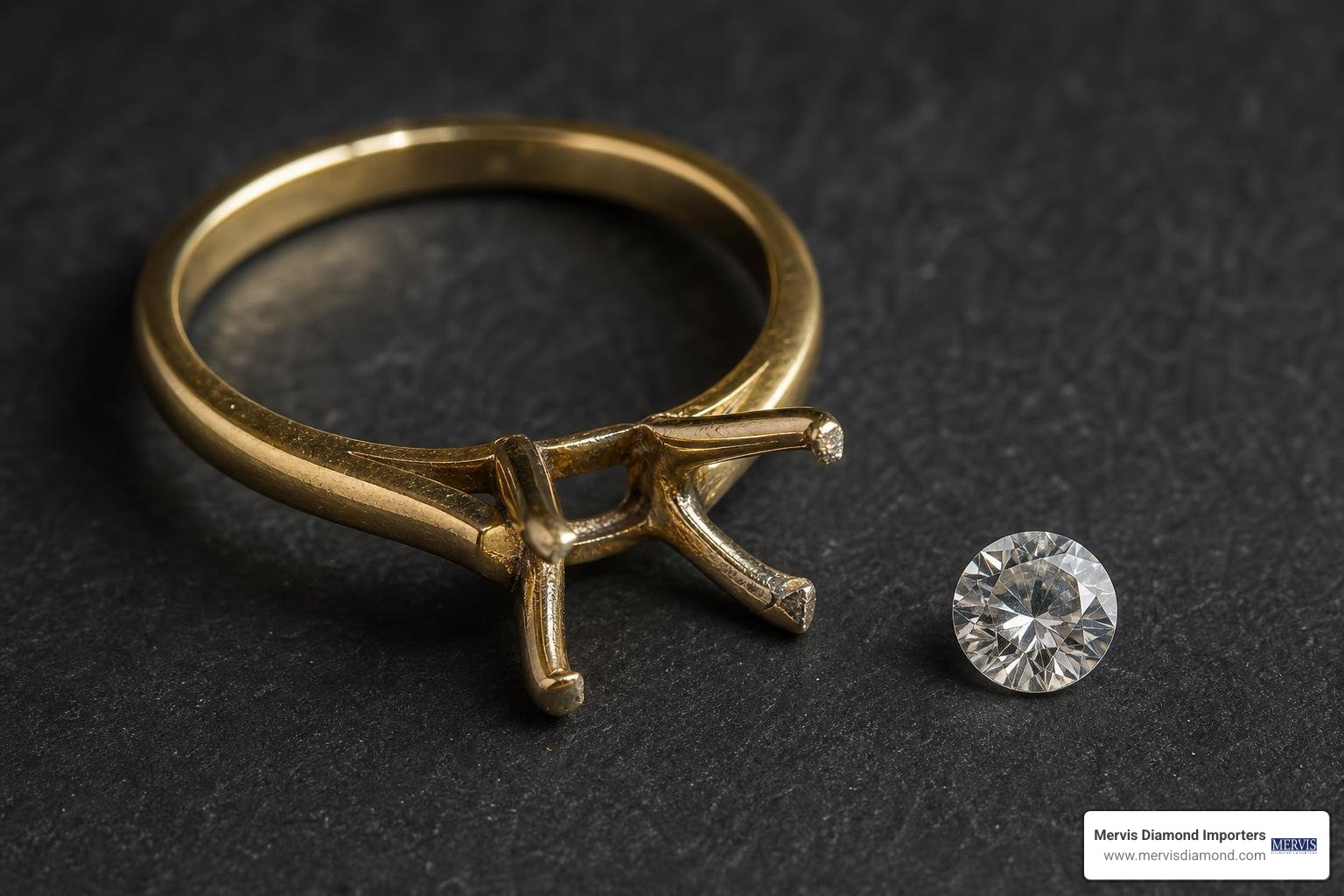
Here are the most common household cleaning ingredients to avoid:
- Toothpaste: Many online blogs recommend toothpaste for cleaning silver or gold. However, toothpaste contains abrasive particles designed to clean tooth enamel. These particles can easily scratch gold, platinum, and softer gemstones. For more details on why this is a bad idea, read our article: Can I Clean My Diamond Ring with Toothpaste.
- Vinegar and Lemon Juice: These are highly acidic. While they might be fine for copper or brass, the acid can erode precious metals, strip away gold plating, and ruin delicate gemstones like pearls and opals.
- Chlorine Bleach and Ammonia: Chlorine can actually stress-fracture gold alloys, potentially causing your ring’s setting to snap. Ammonia is too harsh for delicate gemstones, though some people use window cleaners like Windex on diamonds. If you want to know the risks involved with this method, read How to Clean Diamond Rings with Windex.
The Hidden Danger of Ultrasonic Cleaners
At-home ultrasonic cleaning machines have become incredibly popular in recent years. These devices use high-frequency sound waves to create millions of microscopic bubbles in a liquid solution. When these bubbles collapse, they pull dirt and grime away from the jewelry.
While they sound convenient, ultrasonic cleaners carry significant risks:
- The intense vibrations can easily loosen gemstones or shake them completely out of their settings.
- They can strip away color-producing overlays on treated gemstones, such as coated white topaz.
- They can cause fractured or highly included gemstones (like emeralds or clarity-enhanced diamonds) to shatter or crack along their natural flaws.
When to Seek Professional Jewelry Cleaning
While weekly at-home maintenance keeps your jewelry looking bright, it does not replace the need for professional care. We recommend bringing your everyday jewelry to a professional jeweler at least once a year for a deep cleaning and structural checkup — think of it as an annual physical for your jewelry.
A professional jeweler can:
- Inspect your jewelry under a high-powered microscope to check for worn prongs, loose stones, or hairline fractures in the metal.
- Tighten loose prongs and secure stones before they fall out.
- Use professional steam and polishing wheels to buff away deep scratches in gold and platinum that home cleaning cannot touch.
- Perform professional replating (such as rhodium plating for white gold) to restore its bright, silvery-white mirror finish.
If you notice a stone rattling, a clasp catching, or if your ring still looks dull after a thorough home wash, it is time to seek professional help. You can read more about what these services entail in our guide to Jewelry Repairs.
Preventive Care: Storage and Daily Habits
The easiest way to keep your jewelry clean and sparkling is to prevent it from getting dirty or damaged in the first place. Incorporating a few simple habits into your daily beauty and lifestyle routine can make a massive difference.
- Put jewelry on last: Make your jewelry the absolute "cherry on top" of your outfit. Apply your makeup, hairspray, perfumes, and lotions first. Let them dry completely before putting on your rings, necklaces, and earrings. This minimizes their exposure to the chemical compounds that cause metals to tarnish and diamonds to cloud.
- Take jewelry off before heavy activities: Remove your rings and bracelets before working out, gardening, baking, or cleaning. Heavy lifting can bend bands, while dirt and dough can get packed into the tight crevices of your settings.
- Avoid the shower and bath: Can you wear your jewelry in the shower? While gold and diamonds can technically handle water, the soaps, shampoos, and conditioners you use will leave a thick layer of soap scum on your stones, stripping away their brilliance. For a deeper dive into this topic, see Can I Wear My Diamond Ring in the Shower.
- Keep jewelry away from the beach and pool: Never wear your precious jewelry to the beach or pool. Chlorine in pools can damage gold alloys, sand can scratch metals, and cold ocean water can cause your fingers to shrink, making it incredibly easy for an engagement ring to slip off into the surf. Read more about protecting your ring outdoors in our guide: Can I Wear My Engagement Ring to the Beach.
- Store your jewelry properly: Store your jewelry in a low-humidity environment. Keep pieces separated in soft cloth bags, jewelry pouches, or individual compartments of a lined jewelry box to prevent them from scratching one another.
Frequently Asked Questions About Jewelry Care
How often should you clean diamond earrings and rings?
We recommend cleaning your everyday rings and bracelets once a week, as they come into contact with hand soaps, lotions, and food daily. Regularly worn earrings should be cleaned twice a month, and necklaces can be washed monthly or whenever they begin to look slightly dingy. For more tips on keeping your studs sparkling, read How Often Should You Clean Diamond Earrings.
Can diamond rings get wet in the shower or pool?
Yes, diamonds and precious metals can get wet, but it is highly discouraged. Shower products leave a dulling film, and pool chemicals like chlorine can break down the metal alloys in gold settings over time. To learn more about how water and chemicals affect your jewelry, check out Can Diamond Rings Get Wet.
What makes a diamond sparkle and how do you keep it?
A diamond’s sparkle is all about light refraction and reflection. Light enters the top of the diamond, bounces off the internal facets, and reflects back to your eye. However, diamonds are natural grease magnets. Oils from your skin and lotions build up on the stone's pavilion (the bottom half), blocking light from entering and escaping. Regular cleaning removes this oil barrier, restoring the diamond's natural brilliance. To understand the science of the sparkle, read What Makes a Diamond Sparkle.
Conclusion
Taking proper care of your jewelry ensures that its beauty, sentiment, and value remain intact for a lifetime. With a gentle touch, a bowl of warm water, and some mild dish soap, you can easily maintain that showroom-fresh sparkle right from the comfort of your home.
When you need a deeper clean or a professional safety check, we are here to help. At Mervis Diamond Importers, we specialize in hand-selected, high-quality natural and lab-grown diamonds, paired with expert, pressure-free service.
Whether you need a professional inspection, a secure prong tightening, or are looking to add a new sparkling piece to your collection, we invite you to visit our convenient showrooms in Tysons, VA, Rockville, MD, and Washington, D.C.
For more detailed guides on keeping your favorite pieces in pristine condition, revisit our step-by-step instructions on How to Clean Diamond Rings at Home and let us help you keep your jewelry shining bright for years to come!